
Books by Moe Nawaz
Strategic Books for CEOs, Founders and Boards Carrying Structural Pressure.
These books were not written from theory or distance.
They were shaped through decades inside established founder-led businesses, boardrooms, leadership teams, private conversations and organisations operating under pressure.
Together, they form the written foundation beneath my work as The Strategic Architect.
They show how growth, leadership, architecture, pressure, decision-making and transferability connect beneath the surface.
At seven figures, invisible patterns begin creating complexity.
At eight figures, they become structural.
At nine figures and beyond, they become expensive, political and difficult to unwind.
The numbers change.
The mechanics often do not.
Written from practice, not abstraction.
These books sit beneath the work as an authority layer.
They explain the structural lens behind the advisory work, deepen the thinking, and give serious readers a way to understand why successful businesses slow down, become dependent, fracture under growth, or struggle to transfer value.
They are not written to entertain the market.
They are written for established founders, CEOs, boards and leadership teams who recognise that visible performance is often shaped by something deeper underneath.
One collection, organised around how leaders actually think.
The books are grouped around the pressures leaders actually face.
Some examine invisible patterns in life, business and leadership.
Some focus on founder-led growth, scale, succession and exit.
Others examine boardroom pressure, organisational architecture and the deeper systems shaping decisions under load.
Together, they help readers move through the body of work without treating each book as a separate idea.
The collection follows one central thread:
The visible problem is rarely the real one.
Architecture & Structural Design
Books focused on helping founders and business owners understand why growth becomes heavier, why the founder Books focused on helping established founders, CEOs, owners and boards understand why growth becomes heavier, why dependency concentrates around too few people, and what must be redesigned before scale, succession or exit can be carried properly.
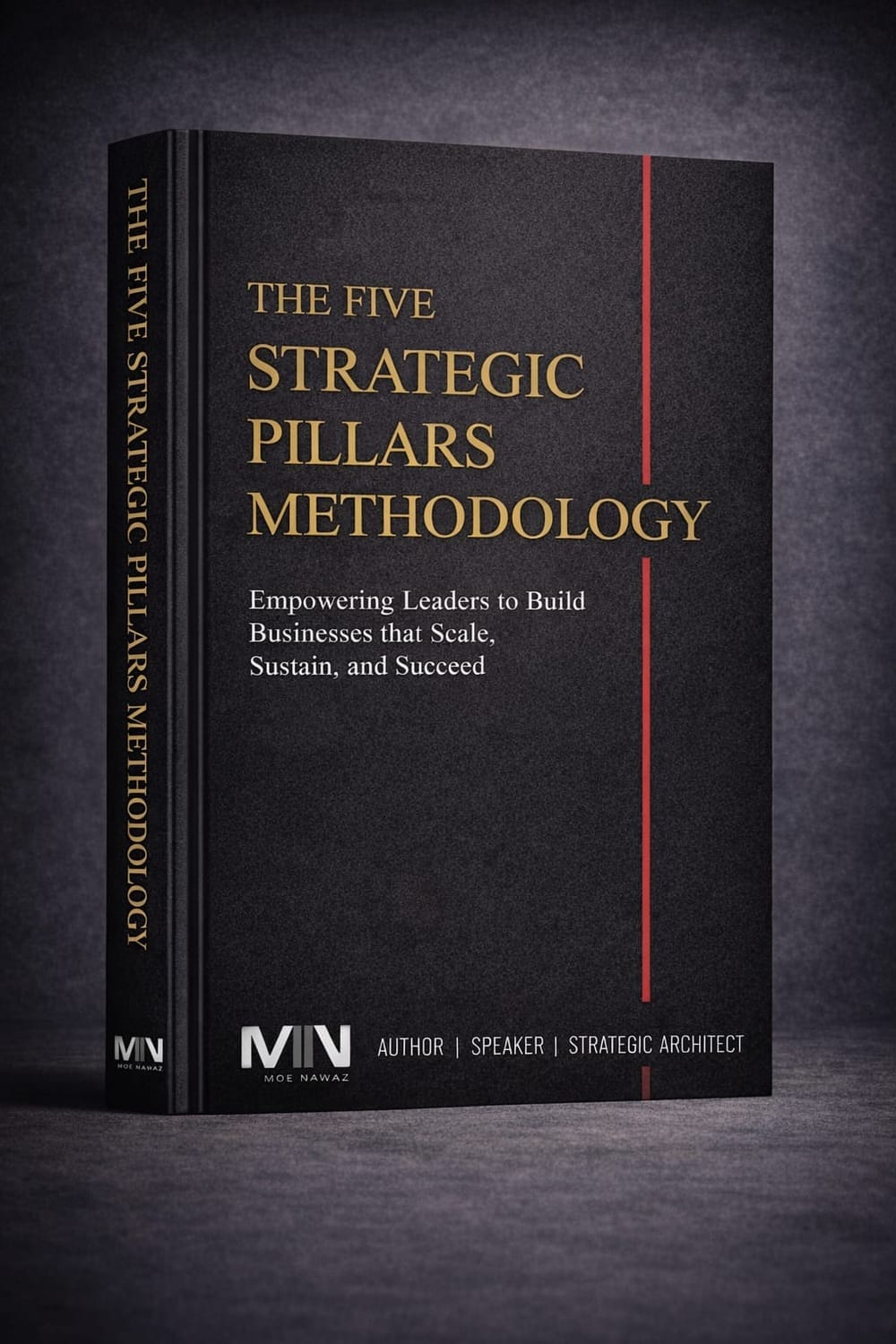
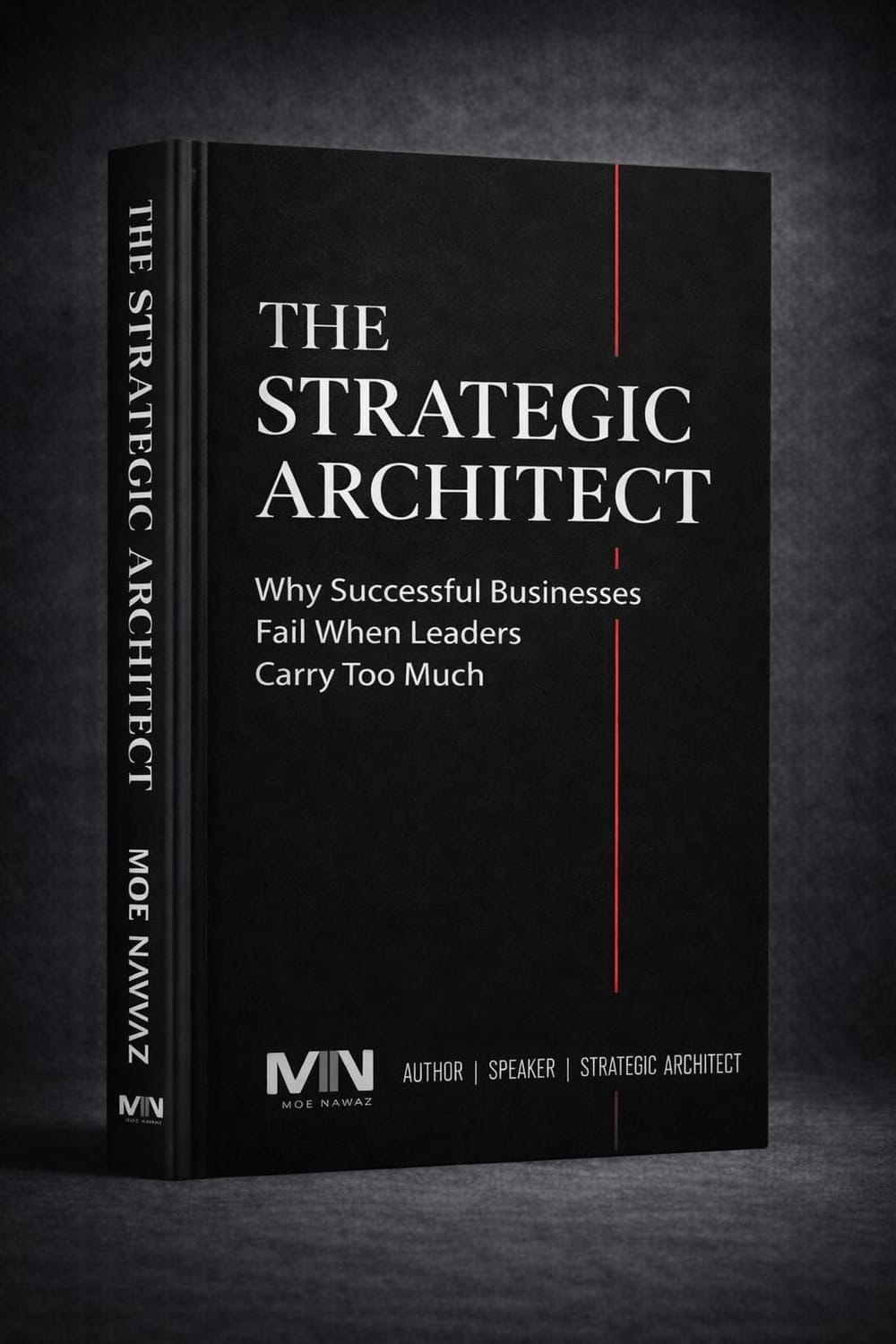
The Strategic Architect
A structural lens on why invisible design determines visible outcomes.
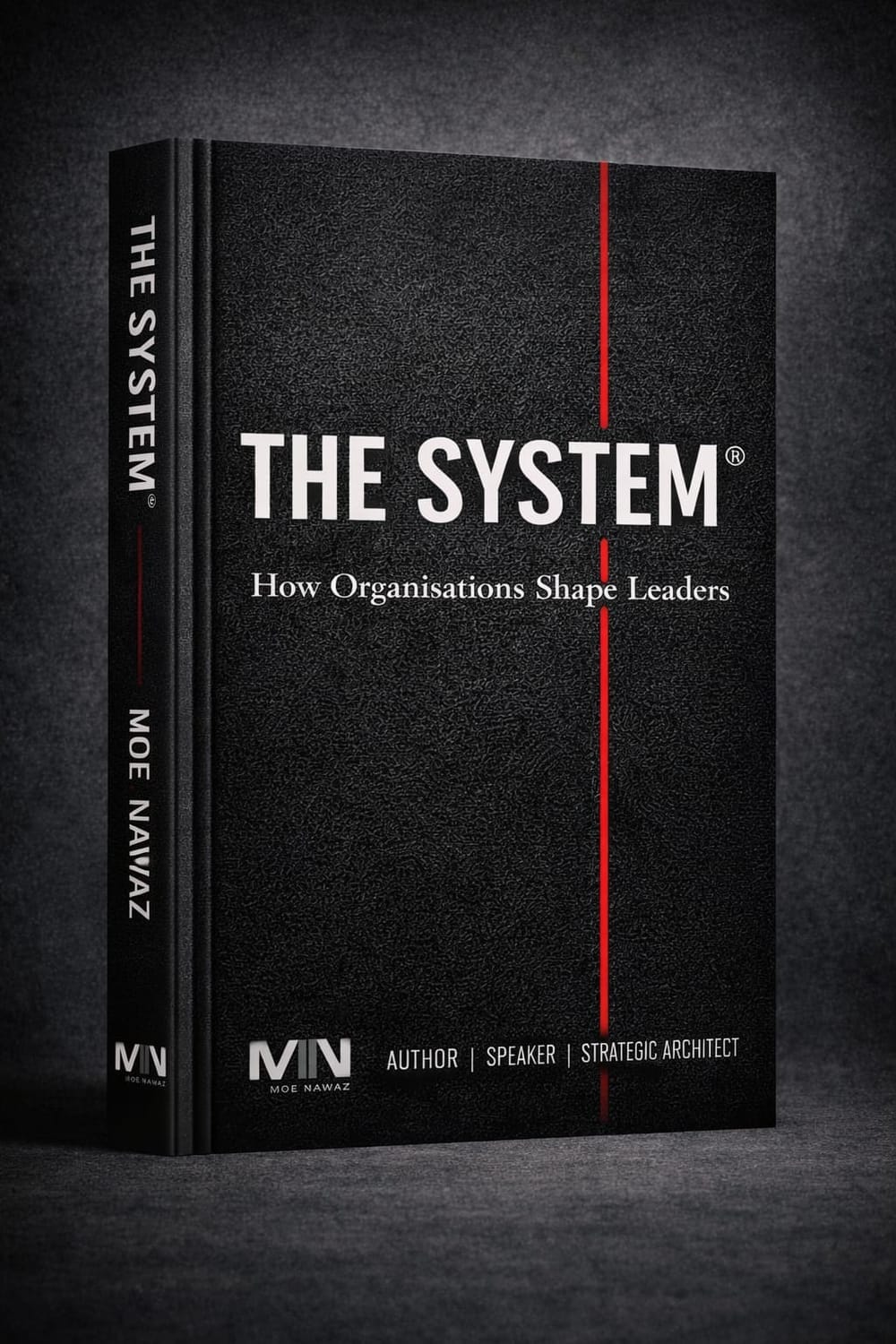
Growth, Scale and Enterprise Value
Books that examine how organisations carry growth, authority, pressure, decision-making, accountability, structural drift and repeated outcomes.
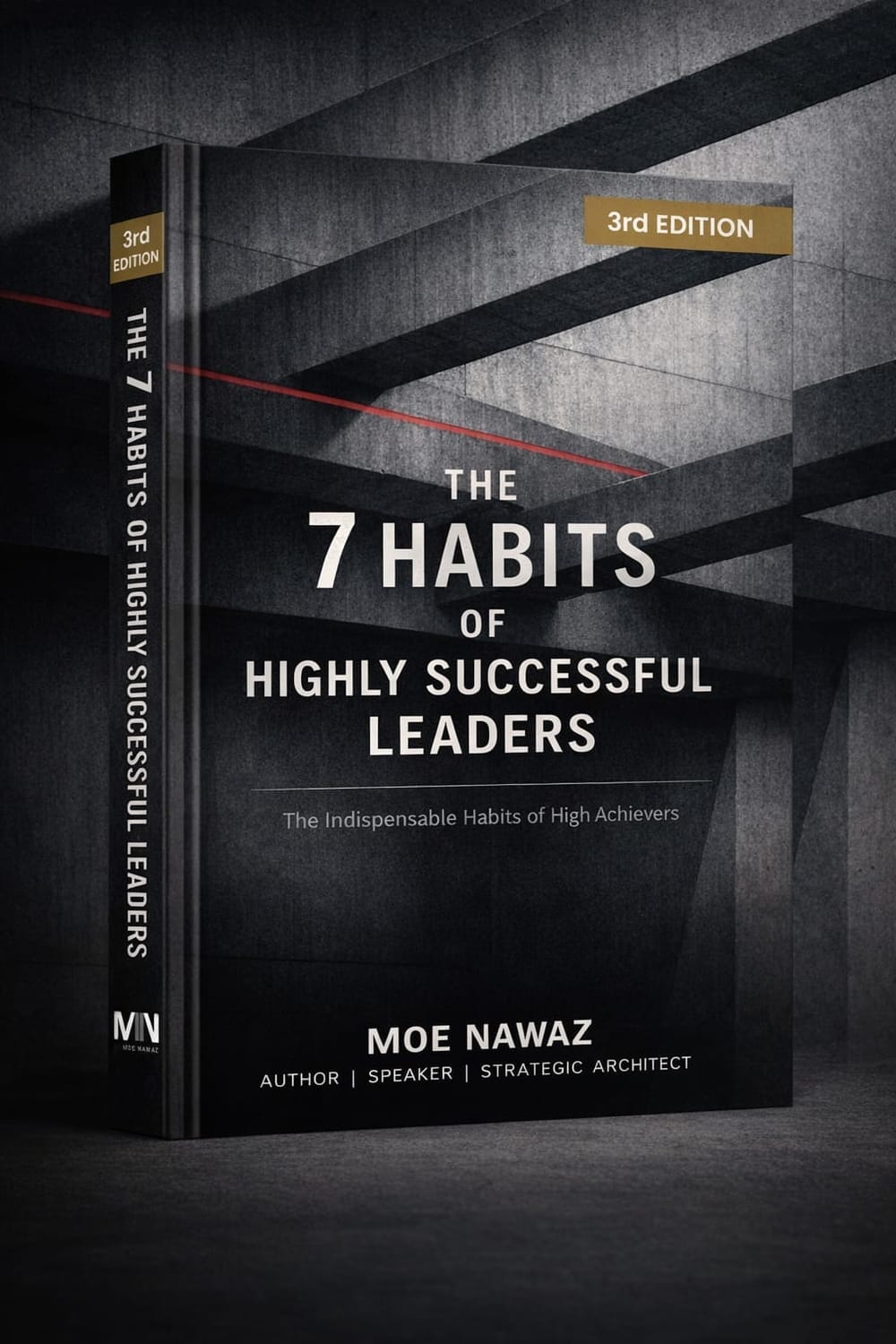
The 7 Habits of Highly Successful Leaders
A modern leadership framework for decision-makers operating at scale.
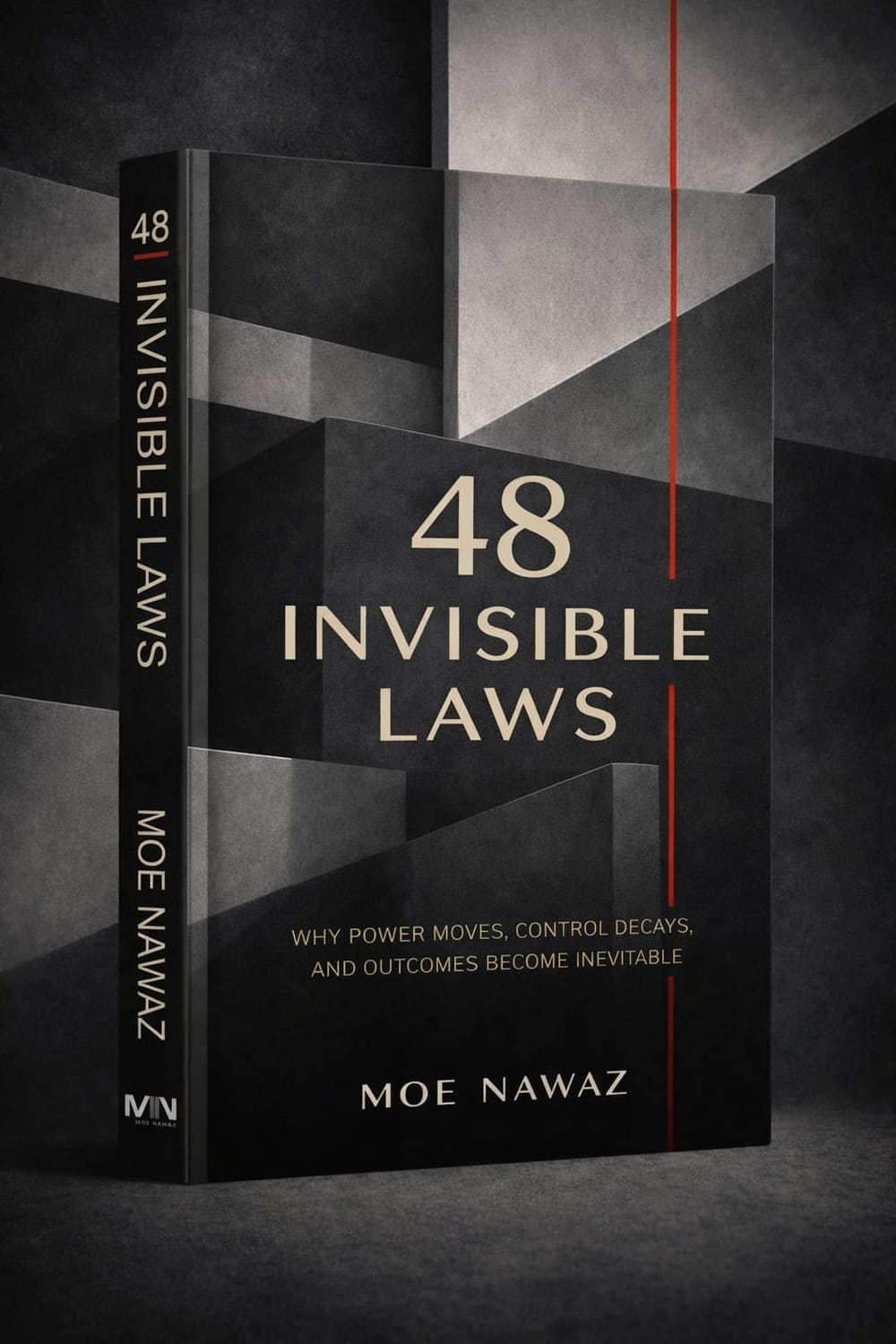
48 Invisible Laws
Concise structural observations for leaders who recognise misalignment before collapse.
Growth & Enterprise Value
Books focused on carrying growth without increasing fragility, reducing dependency, strengthening scale and building value that can transfer.
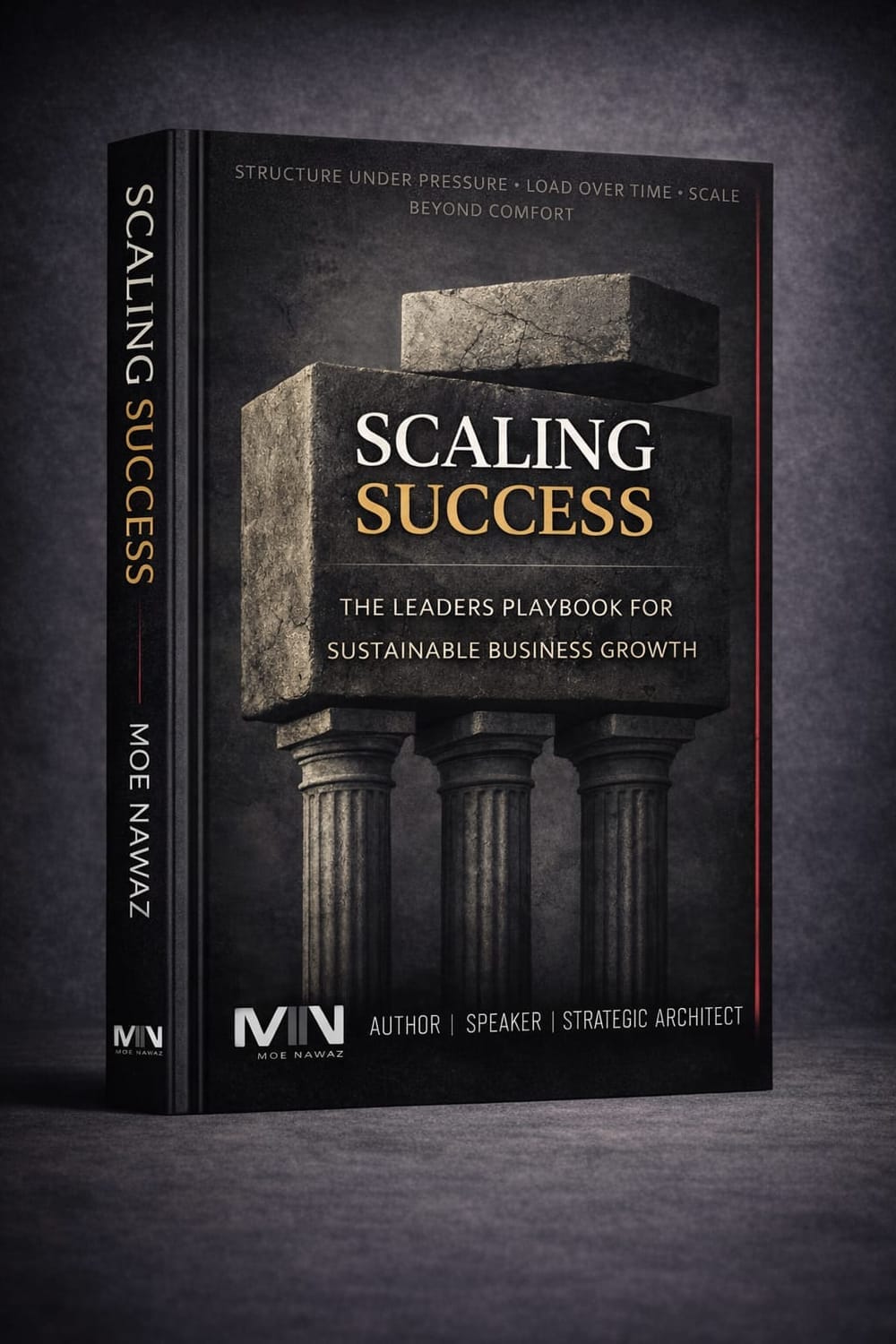
Scaling Success
A practical guide to carrying growth without breaking what made it possible.
Explores decision load, authority design, capital strain and exit readiness for established founder-led businesses moving from growth toward enterprise value.
The Books Create Recognition Before the Conversation Begins.
For many readers, the books act as an early proof-of-thinking layer.
They show that the perspective is not improvised.
The language around structure, pressure, key-person dependency, boardroom readiness, organisational architecture and transferability is grounded in a wider body of work.
A founder, CEO or board member may arrive through one chapter that explains why the business still depends too heavily on a small number of central people.
A CEO may arrive through a sentence that names the pressure they have been carrying quietly.
A chair or board member may arrive through a page that explains why the room still looks right, but no longer sees early enough.
That is the real purpose of this page.
Not to compete with the advisory work.
To prepare serious readers for it.
Reading can create recognition. Conversation creates application.
The books often help leaders recognise structural pressure they could feel but had not fully named.
Reading can create the first moment of clarity.
But when that recognition becomes immediate, the next step is not another book.
It is a serious conversation about the business itself.
That is where the work moves from insight into application.
Quiet next step
If the Ideas Name Something You Are Already Carrying, Continue Deliberately.
If these books name something you are already seeing inside your business, leadership team or boardroom, the next step should be deliberate.
You can continue through the insights library to deepen the thinking.
Or you can request a private conversation to examine whether the patterns described in the books are now active inside your own organisation.
The right next step depends on whether you need more recognition, or whether the time has come for application.

Moe Nawaz does not work with companies involved in industries such as gambling, tobacco, alcohol, or any other activities that conflict with his core values and ethical principles.
